Aceh Students Return to Class as Flood Recovery Advances
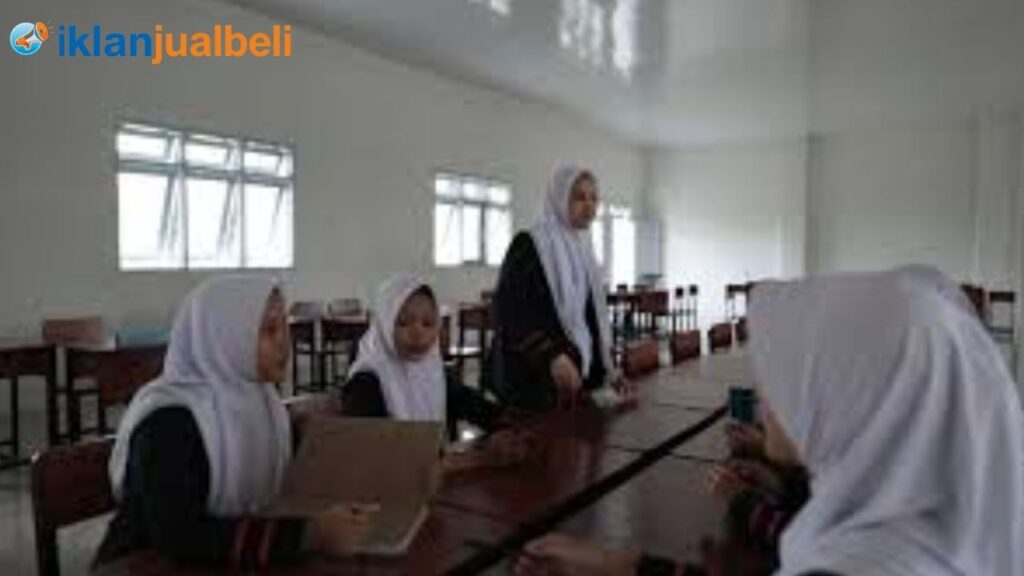
Teaching and learning activities in several disaster-affected areas of Aceh have officially resumed, signaling a crucial milestone in the province’s recovery process. The reopening of schools reflects growing momentum in post-disaster rehabilitation efforts following floods and landslides that disrupted daily life and damaged educational facilities across multiple districts.
The return to classrooms was marked by a symbolic ceremony led by Abdul Mu’ti, Indonesia’s Minister of Elementary and Secondary Education. The event took place at State Vocational High School 4 Kejuruan Muda, which served as a representation of schools across Aceh resuming normal academic activities.
Education Resumes as a Sign of Resilience
In his remarks, the minister described the first day back at school as a powerful reflection of resilience, not only for students but also for teachers and local communities who endured the impact of natural disasters. He emphasized that disasters often bring hardship, but they also shape character, encouraging strength, patience, and creativity in overcoming adversity.
According to Mu’ti, the reopening of schools carries symbolic weight. It demonstrates that education remains a priority even in the aftermath of crises, and that learning must continue despite challenging circumstances. The presence of students in classrooms again was described as a testament to collective determination and hope for the future.
Education Must Continue Under Any Conditions
Mu’ti stressed that while disasters inevitably cause material loss and emotional disruption, they must not extinguish children’s aspirations. He underlined that education should continue under all conditions, as the desire to learn transcends physical limitations and emergency situations.
Children, he said, represent the future of Indonesia. Their determination to return to school despite the recent hardship highlights the importance of protecting their right to education. He encouraged students to remain optimistic and persistent, reminding them that limitations should never weaken their resolve to grow and improve.
Government Commitment to the Right to Education
The minister’s presence on the first day of school carried a clear message: the government remains committed to safeguarding access to education, particularly in post-disaster settings. By attending the reopening ceremony, the central government reaffirmed its responsibility to ensure that students are not left behind due to circumstances beyond their control.
Mu’ti also acknowledged the efforts of the Aceh Provincial Government and the Aceh Tamiang district administration. He commended local authorities for their swift coordination and responsiveness in restoring education services after the disaster.
Role of Teachers and Local Communities
Beyond government action, the recovery of school activities was made possible by the dedication of teachers, education personnel, and local communities. Many educators continued to support students during the disruption, providing guidance and encouragement even when facilities were damaged.
Community involvement played a crucial role in preparing schools for reopening, from cleaning classrooms to assisting with temporary repairs. This collective effort ensured that students could return to a safe and supportive learning environment as soon as conditions allowed.
School Rehabilitation and Infrastructure Support
As part of the recovery process, the Ministry of Education has continued efforts to repair and rehabilitate damaged school facilities in affected areas. Schools that sustained damage during the floods and landslides have been prioritized for revitalization assistance.
Support measures include classroom rehabilitation, replacement of damaged furniture, and improvements to learning facilities to ensure safety and comfort. These steps are essential not only for restoring physical infrastructure but also for rebuilding students’ confidence in returning to school.
Sustainable Funding for Education Recovery
Mu’ti highlighted the government’s commitment to providing sustainable funding for education recovery through national programs. One of the key initiatives supporting these efforts is the 2026 Educational Unit Revitalization Program, which aims to strengthen and modernize school infrastructure across the country.
Through this program, schools in disaster-prone and disaster-affected areas are expected to receive targeted assistance. The initiative reflects a broader strategy to enhance the resilience of educational facilities, ensuring they are better prepared to withstand future emergencies.
Beyond Physical Reconstruction
The minister emphasized that education recovery extends beyond reopening school buildings. While restoring infrastructure is essential, equal attention must be given to students’ emotional well-being and motivation.
Recovering from a disaster can be psychologically challenging, especially for children. Returning to school helps restore a sense of normalcy, routine, and social connection. Classrooms become spaces not only for academic learning but also for healing and emotional recovery.
Rebuilding Confidence and Optimism
Mu’ti noted that true recovery is achieved when students regain confidence, enthusiasm, and optimism about their future. Education plays a central role in this process by empowering students with knowledge, skills, and hope.
By ensuring continuity in education, the government aims to prevent learning loss and long-term setbacks that could arise from prolonged school closures. Keeping students engaged in learning is seen as a vital investment in Indonesia’s long-term human capital.
A Broader Message for Disaster-Prone Regions
The reopening of schools in Aceh sends a broader message to other disaster-prone regions across Indonesia. It demonstrates that with coordination, commitment, and community involvement, education can continue even in the face of significant challenges.
The experience in Aceh highlights the importance of preparedness, rapid response, and sustainable recovery planning. It also reinforces the principle that education must remain a priority in disaster management policies.
Moving Forward with Cautious Optimism
As recovery efforts continue, authorities remain focused on ensuring that learning environments are safe, inclusive, and conducive to student development. Continuous monitoring and support will be provided to schools that are still undergoing rehabilitation.
The return of students to classrooms marks an encouraging step forward for Aceh. While recovery is an ongoing process, the resumption of education reflects progress, resilience, and a shared commitment to building a stronger future for the next generation.
Baca Juga : Status Siaga, Semeru Luncurkan Abu Hingga 600 Meter
Cek Juga Artikel Dari Platform : revisednews